Skip to content
PlantNurseryHQ

All city plant guides

Albuquerque, NM · Plant guide

Plants for Albuquerque.

Albuquerque gardens can use desert willow for light overhead shade, fourwing saltbush and Apache plume for broad shrub structure, and red yucca, globemallow and desert marigold below. Water new roots through establishment before reducing irrigation to suit the species and season.

Updated 2026-09-06 · Sources & photo credits

Establish before reducing water

Water newly planted roots through establishment. Once roots are established, reduce supplemental irrigation and let rainfall carry more of the load.

Separate forms and widths

Keep red yucca clear of paths and allow saltbush and Apache plume their mature shrub spread.

Desert willow

Chilopsis linearis

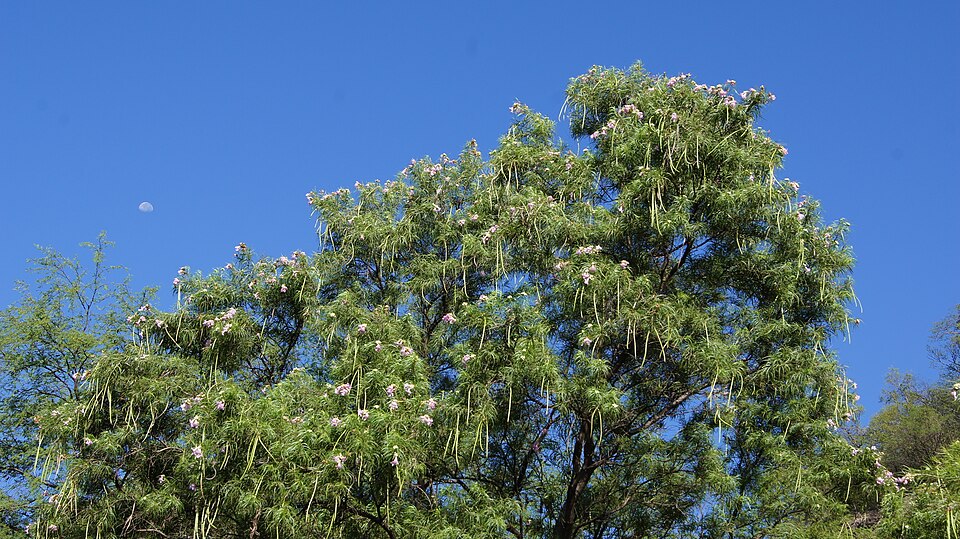
Desert willow’s airy canopy and narrow leaves.
Desert willow’s airy canopy and narrow leaves. Photo credit

Desert willow gives a sunny garden a light, open canopy and trumpet-shaped flowers. Leave room for a tree that can reach 30 feet tall, and keep its roots out of soggy soil.

Sun

Full sun.

Soil & water

Low water; deep watering about twice monthly or occasional deep watering once established.

Full-grown size

12-30 ft tall × 12-20 ft wide.

Through the year

Deciduous; flowers May-September.

Winter hardiness

Cold tolerance documented to 0°F in the Arizona desert; no California-specific minimum was established.

Plant references

Red yucca

Hesperaloe parviflora

Red yucca’s coral-pink flowers along a tall stalk.
Red yucca’s coral-pink flowers along a tall stalk. Photo credit

Red yucca is useful where you want tall flower stalks without a large shrub. The arching leaves still need room at ground level, so set the clump back from a narrow path.

Sun

Full sun to part shade; accepts reflected sun.

Soil & water

Very low water once established; water new roots until established.

Full-grown size

3 ft tall × 3 ft wide; flower stalks reach 3-4 ft.

Through the year

Evergreen clump; reddish-orange flowers May-June.

Winter hardiness

Tolerates subzero winter temperatures; exact minimum not stated.

Plant references

Globe/desert mallow

Sphaeralcea ambigua

Desert globemallow with orange flowers and gray-green leaves.
Desert globemallow with orange flowers and gray-green leaves. Photo credit

Desert globemallow brings orange flowers to a dry, sunny bed. Give it room to spread and choose a spot that drains well after rain.

Sun

Full sun to part sun; accepts reflected heat.

Soil & water

Very low to low water; dry, well-drained soil.

Full-grown size

About 3 ft tall × 3 ft wide.

Through the year

Main bloom in spring with scattered summer and fall flowers; may drop leaves during drought.

Winter hardiness

Cold tolerance reported from 0-5°F.

Plant references

Desert marigold

Baileya multiradiata

Desert marigold growing in open, rocky ground.
Desert marigold growing in open, rocky ground. Photo credit

Desert marigold adds yellow flowers close to the ground. It fits an open, sunny spot with excellent drainage; check local winter performance before relying on it in a colder garden.

Sun

Full sun to part sun; accepts reflected heat.

Soil & water

Very low to low water; easily damaged by overwatering.

Full-grown size

6-18 in tall × 1-2 ft wide.

Through the year

Flowers spring through fall and during mild winters; may flower year-round in warmer sites.

Winter hardiness

Cold tolerance reports range from -10°F to 10°F.

Plant references

Apache plume

Fallugia paradoxa

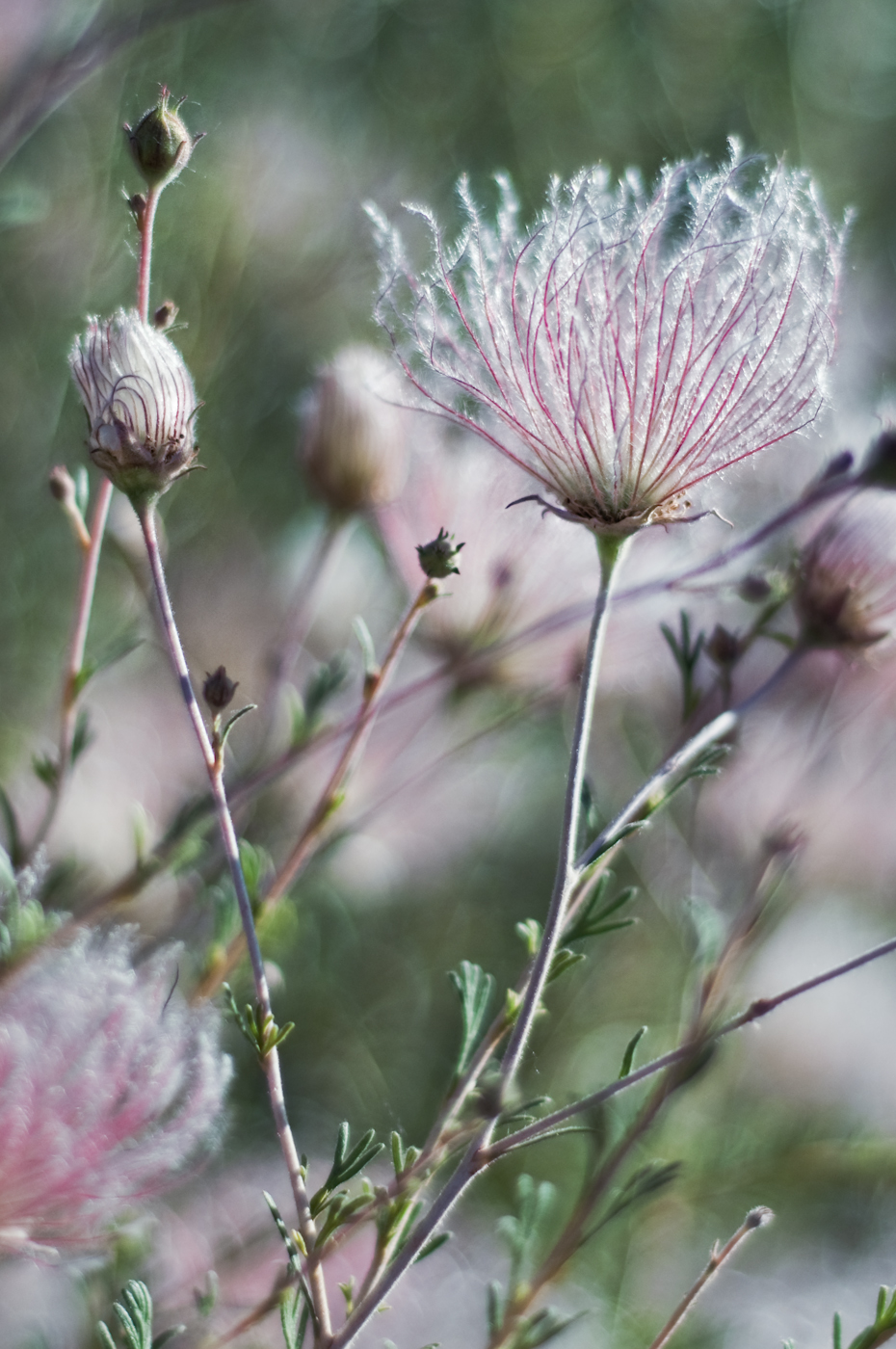
Apache plume’s feathery pink seed heads.
Apache plume’s feathery pink seed heads. Photo credit

Apache plume is worth planting for what comes after the white flowers: soft pink seed heads. Allow about five feet of space, and expect it to keep or lose its leaves depending on your site.

Sun

Full sun to part shade.

Soil & water

Low water.

Full-grown size

About 5 ft tall × 5 ft wide.

Through the year

White summer flowers followed by pinkish, feathery seedheads; foliage may be deciduous or evergreen depending on site.

Winter hardiness

Suited to Front Range planting elevations of 3,500-8,000 ft; USDA zone not stated.

Plant references

Fourwing saltbush

Atriplex canescens

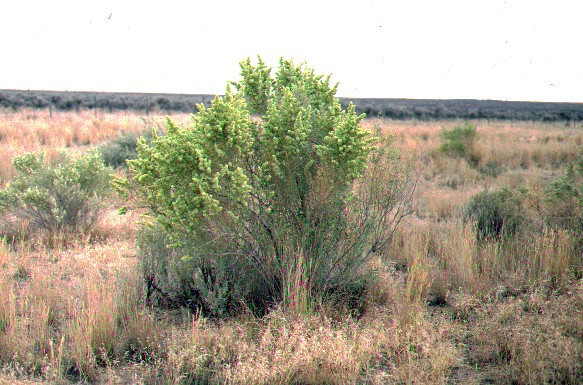
Fourwing saltbush showing its open, upright shrub form.
Fourwing saltbush showing its open, upright shrub form. Photo credit

Fourwing saltbush is an option for a dry, exposed planting area. Its loose, spreading shape needs room; it will not behave like a tightly clipped border shrub.

Sun

Full sun to part sun.

Soil & water

Low to medium water; survives very dry conditions after establishment but looks fuller with regular water.

Full-grown size

4-6 ft tall × 4-10 ft wide.

Through the year

Evergreen to semi-evergreen; flowers spring-fall and fruits fall-winter.

Winter hardiness

Cold tolerance to -10°F.

Plant references

Before you go to the nursery

Browse nurseries in Albuquerque to find places to contact. Ask about the exact plants and varieties on your list before making a trip.

Bring a photo of the planting spot and its measurements. Note when it gets direct sun, how quickly the soil drains after watering, and whether you can water through a dry spell. Ask about the full-grown size of the exact variety on the label.

We have not confirmed local nursery listings for these plants yet. Use the botanical names above when you ask; common names can refer to more than one plant.

Sources & photo credits

Our selections draw on regional gardening references and species profiles. These are species guides; named varieties can have different sizes and needs. Photographs show the species, not nursery stock.

Local growing advice

Xeriscape plants for Albuquerque · Albuquerque Bernalillo County Water Utility Authority · checked 2026-09-05

How to xeriscape in Albuquerque · Albuquerque Bernalillo County Water Utility Authority · checked 2026-09-05

Desert willow

Xeriscape plants for Albuquerque · checked 2026-09-05

Botanical identity: Chilopsis linearis

Red yucca

How to xeriscape in Albuquerque · checked 2026-09-05

Botanical identity: Hesperaloe parviflora

Globe/desert mallow

Xeriscape plants for Albuquerque · checked 2026-09-05

Botanical identity: Sphaeralcea ambigua

Desert marigold

Xeriscape plants for Albuquerque · checked 2026-09-05

Botanical identity: Baileya multiradiata

Apache plume

Xeriscape plants for Albuquerque · checked 2026-09-05

Botanical identity: Fallugia paradoxa

Fourwing saltbush

Xeriscape plants for Albuquerque · checked 2026-09-05

Botanical identity: Atriplex canescens

Winter hardiness and local weather

A USDA hardiness zone describes winter cold. It does not measure summer heat, drainage or water needs. Check your own ZIP and the label on the variety you buy.

City reference: ZIP 87120, zone 7b. A ZIP whose postal primary-city label matches this city, selected from the retained geography snapshot. It is a city reference, not your address; postal labels do not define municipal boundaries.

Median last spring frost: Apr 15; median first autumn frost: Oct 27. Station: PETROGLYPH NATL MON, NM US (0.80 km from the reference ZIP). These are historical averages, not a forecast.

USDA hardiness maps · NOAA climate normals

Photography

Chilopsis linearis (26219102817).jpg by sergio niebla from Cd. Victoria, Tamaulipas, México · CC BY-SA 2.0. Wikimedia Commons thumbnail, resized from the source photograph. No additional crop or color changes.
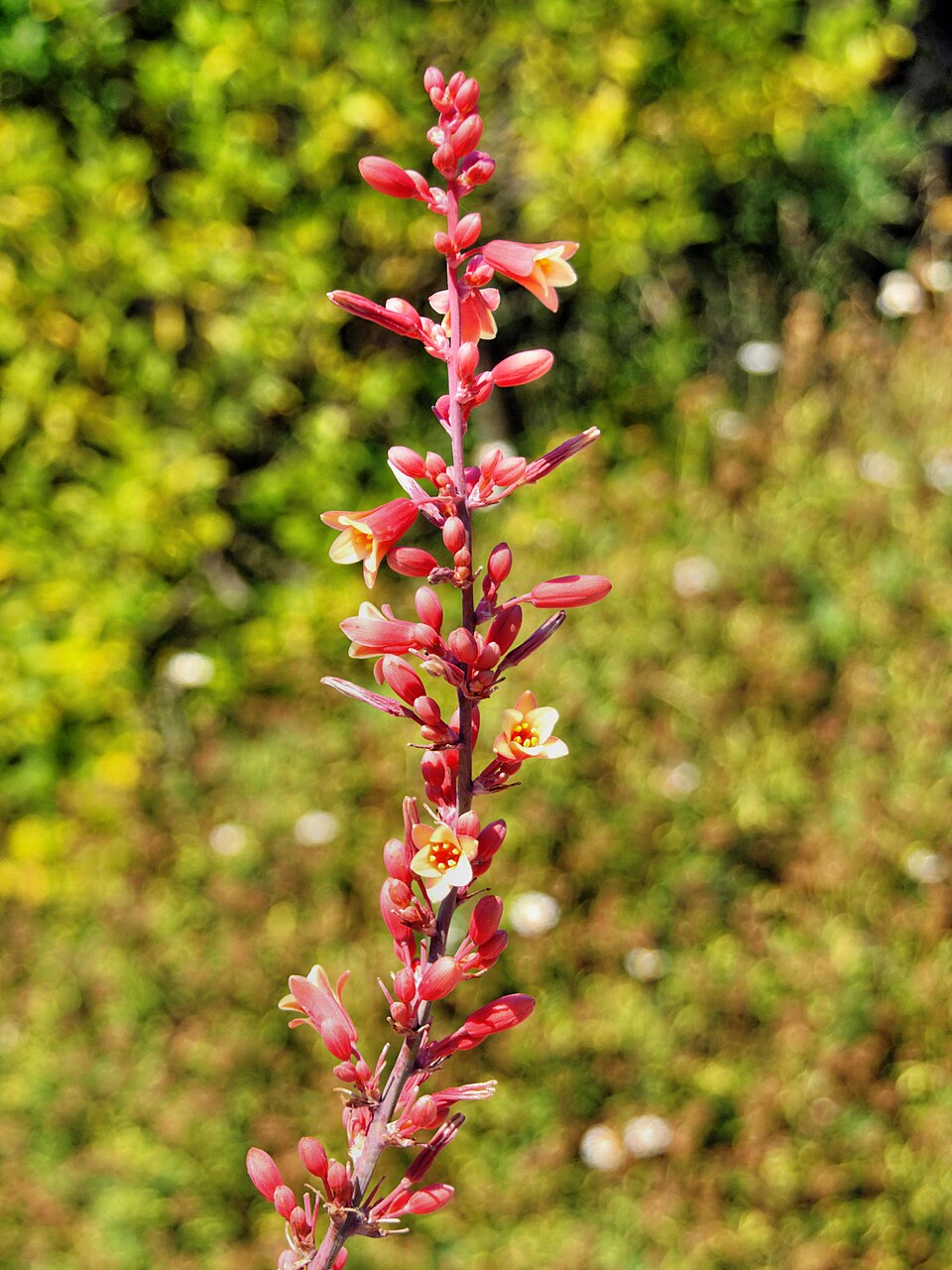
Hesperaloe-parviflora-flowers.jpeg by Groogle · CC BY-SA 3.0. Wikimedia Commons thumbnail, resized from the source photograph. No additional crop or color changes.
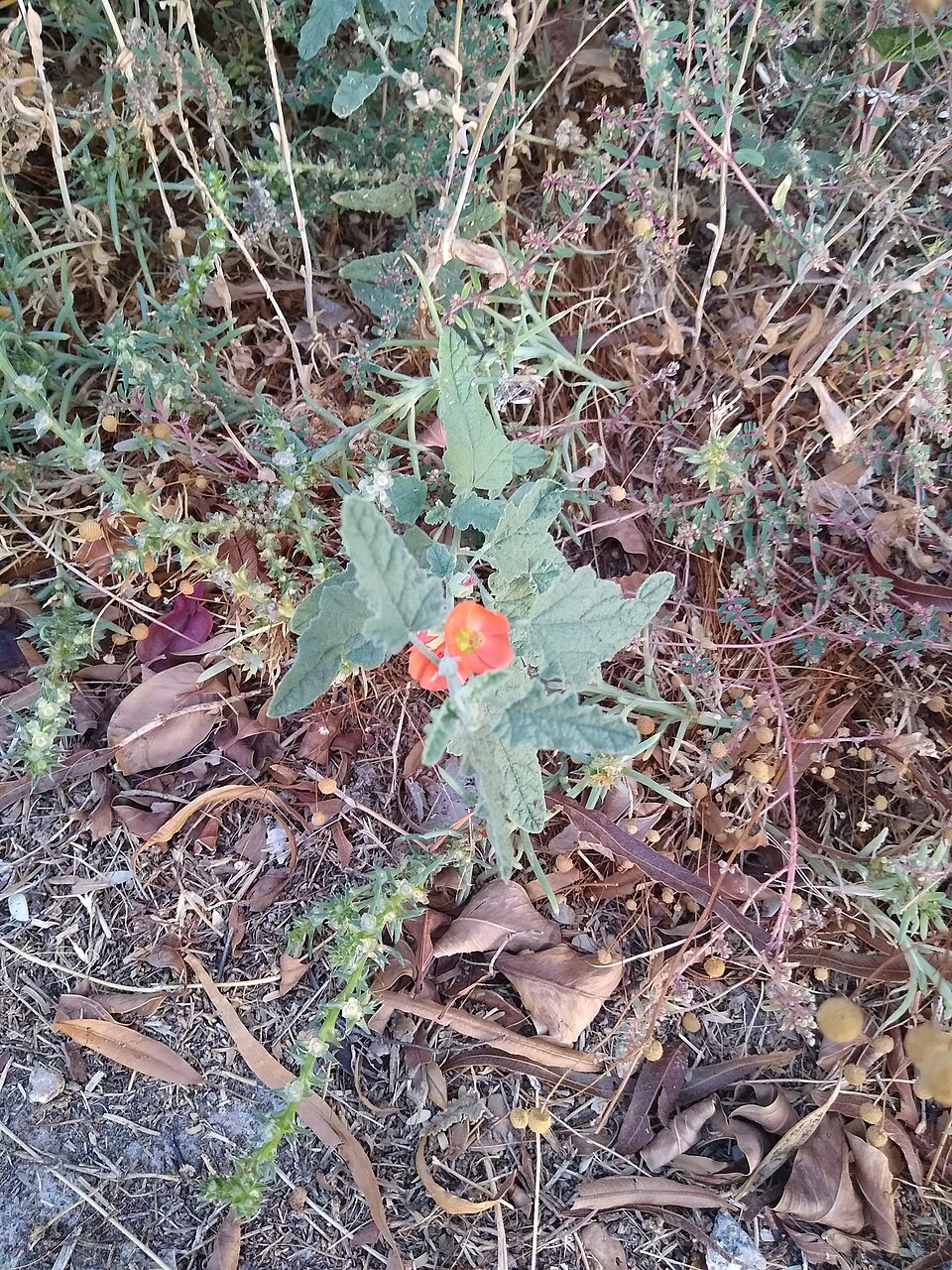
Sphaeralcea ambigua by Prahlad balaji.jpg by Prahlad balaji · CC BY-SA 4.0. Wikimedia Commons thumbnail, resized from the source photograph. No additional crop or color changes.
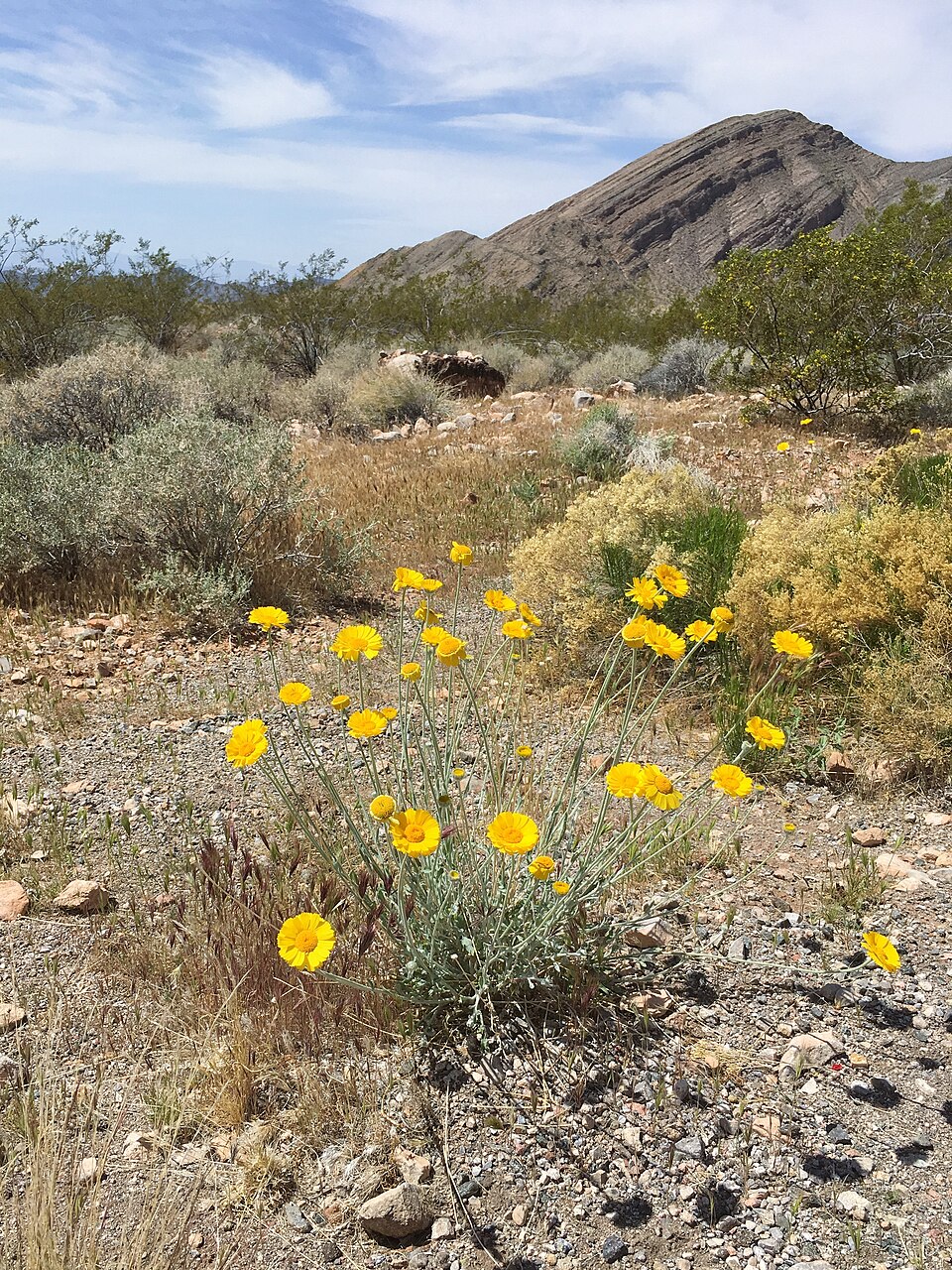
Baileya multiradiata 2018-04-11 Gold Butte NM 01.jpg by Agnieszka Kwiecień, Nova · CC BY-SA 4.0. Wikimedia Commons thumbnail, resized from the source photograph. No additional crop or color changes.
Apache Plume, Fallugia Paradoxa (4675825097).jpg by Mike Tungate from Albuquerque, United States · CC BY 2.0. Wikimedia Commons thumbnail, resized from the source photograph. No additional crop or color changes.
Atriplex canescens habit.jpg by Loren St. John / USDA-NRCS PLANTS Database · Public domain. Wikimedia Commons thumbnail, resized from the source photograph. No additional crop or color changes.