Skip to content
PlantNurseryHQ

All city plant guides

Minneapolis, MN · Plant guide

Plants for Minneapolis.

Minneapolis gardens can use serviceberry for woody height and little bluestem for winter-standing grass texture. Swamp milkweed belongs in moist to occasionally wet soil, unlike dry-site butterfly weed. Leave coneflower seedheads standing where birds and insects can use them.

Updated 2026-09-06 · Sources & photo credits

Match milkweed to moisture

Use swamp milkweed in moist to occasionally wet soil. Do not give it the dry-site treatment used for butterfly weed.

Leave food and shelter

Leave some coneflower stems and seed heads standing after bloom so birds and insects can use them through the colder months.

Purple coneflower

Echinacea purpurea

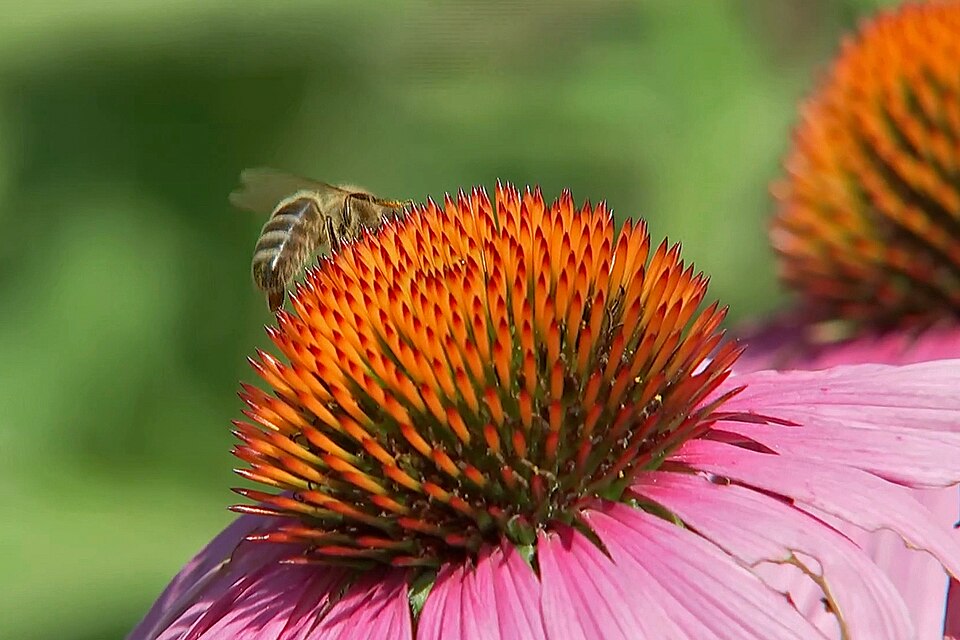
A purple coneflower’s raised center and pink petals.
A purple coneflower’s raised center and pink petals. Photo credit

Purple coneflower gives a sunny border summer flowers and seed heads that can stay through winter. Check the variety on the label: flower form and mature dimensions vary.

Sun

Full sun to partial shade.

Soil & water

Moist well-drained loam; adaptable; drought tolerant once established.

Full-grown size

3-4 ft tall × 1-2 ft wide.

Through the year

Pink-purple flowers June-August into mid-fall; seed heads for birds.

Winter hardiness

USDA 3a-8b; leave some stems/heads for wildlife; cultivar traits vary.

Plant references

Wild bergamot

Monarda fistulosa

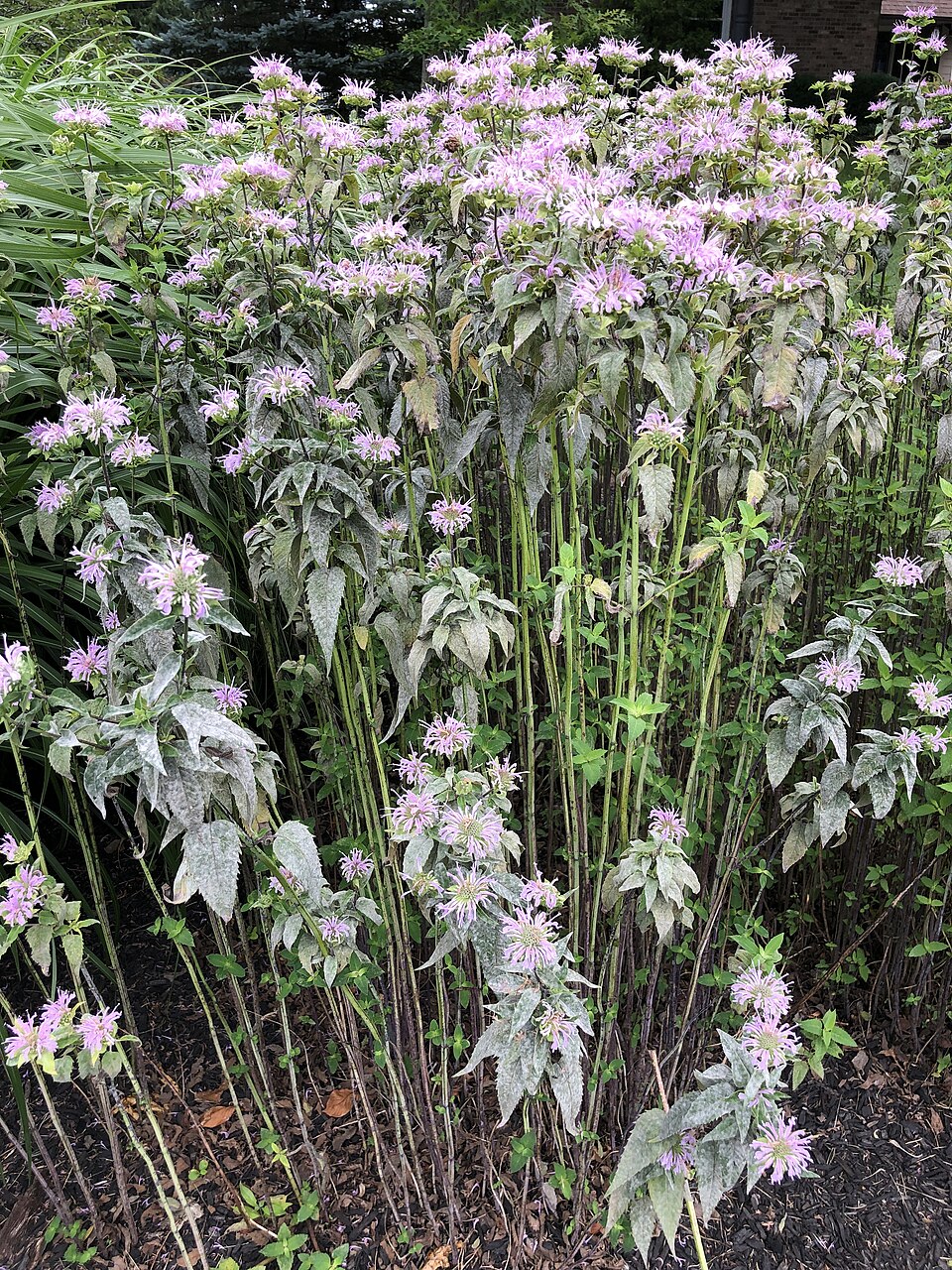
Wild bergamot with pale purple flowers on upright stems.
Wild bergamot with pale purple flowers on upright stems. Photo credit

Wild bergamot brings lavender flowers to a sunny or partly shaded bed. Leave space for air to move between plants and avoid letting it become drought-stressed; both siting and water matter when mildew is a problem.

Sun

Full sun to partial shade.

Soil & water

Moderately moist, good drainage; occasional drought.

Full-grown size

2-4 ft × 2-3 ft.

Through the year

Pink/lavender June-September; fruit August-October.

Winter hardiness

USDA 3a-9b; water stress increases mildew.

Plant references

Little bluestem

Schizachyrium scoparium

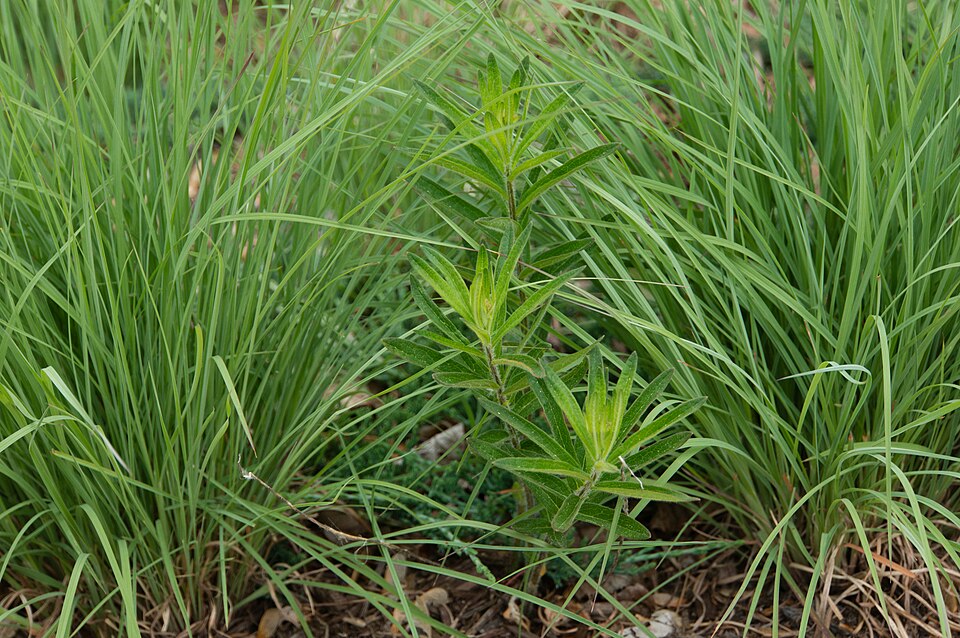
Little bluestem growing in upright clumps.
Little bluestem growing in upright clumps. Photo credit

Little bluestem changes from blue-green summer grass to copper tones in fall and winter. Use it in a sunny, well-drained spot, and leave the stems standing until late winter or early spring.

Sun

Full sun.

Soil & water

Dry to medium-moist, well-drained; excellent drought resistance once established.

Full-grown size

2-4 ft tall × 1.5-3 ft wide.

Through the year

Blue summer foliage; copper fall-winter; seed heads July-November.

Winter hardiness

USDA 3a-9b; cut back late winter/early spring; keep mulch off crown.

Plant references

Swamp milkweed

Asclepias incarnata

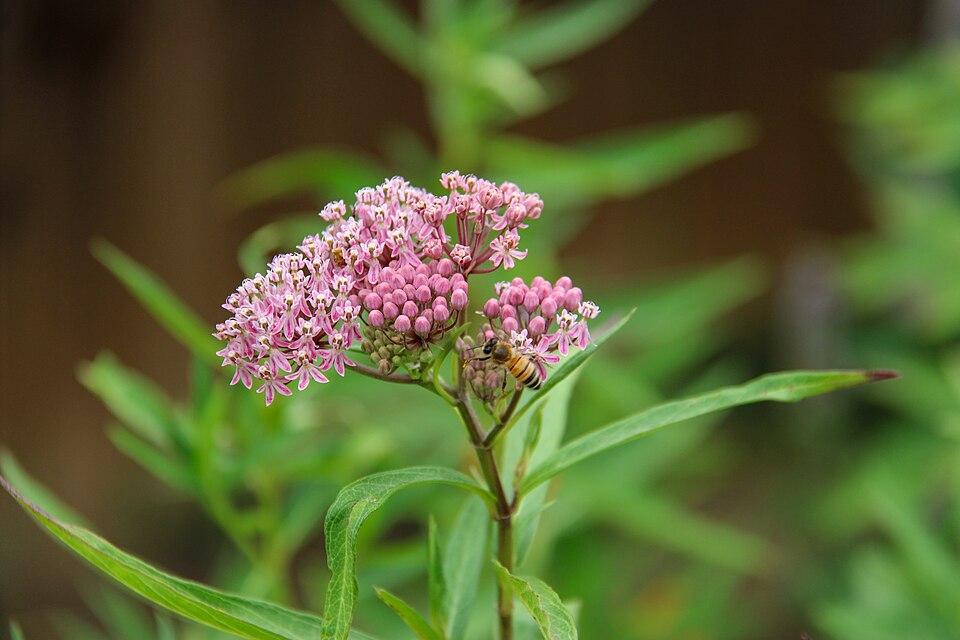
Swamp milkweed’s pink flower clusters and narrow leaves.
Swamp milkweed’s pink flower clusters and narrow leaves. Photo credit

Swamp milkweed is the choice for a moist planting spot, with pink flowers above upright stems. Give it room to grow and keep its care separate from dry-site butterfly weed.

Sun

Full sun to partial shade.

Soil & water

Moist to occasionally wet clay/loam; good drainage.

Full-grown size

3-5 ft tall × 2-3 ft wide.

Through the year

Pink-white flowers July-September; pods in fall.

Winter hardiness

USDA 3a-9b; moisture-loving, do not substitute dry-site milkweed care.

Plant references

Serviceberry

Amelanchier alnifolia

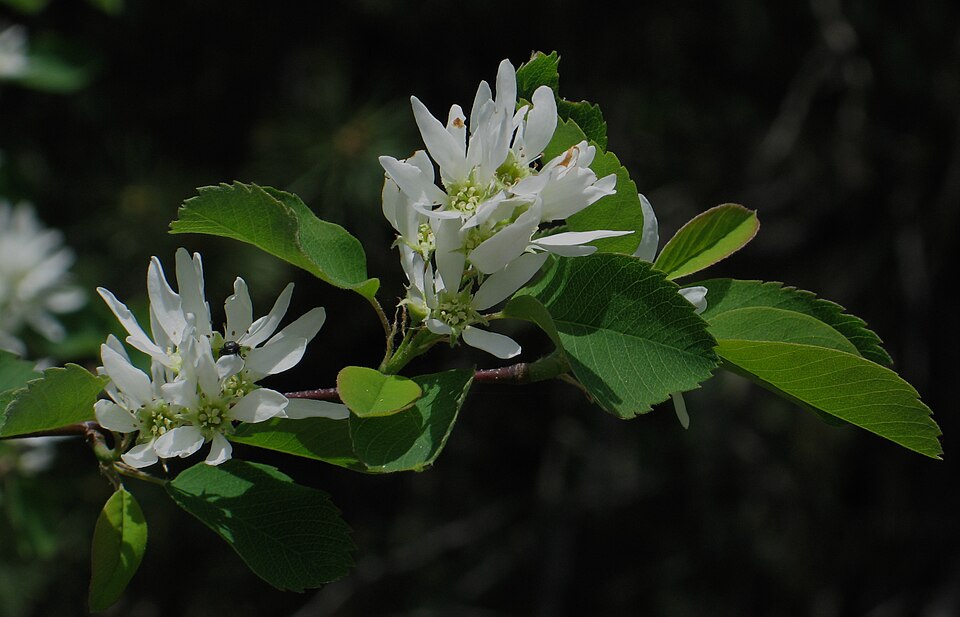
Serviceberry’s white spring flowers and green leaves.
Serviceberry’s white spring flowers and green leaves. Photo credit

Serviceberry offers white spring flowers, dark fruit and fall color. It can send up new shoots around the main plant; leave room for a thicket or plan to remove those shoots.

Sun

Full sun to deep shade.

Soil & water

Well-drained loam/sand; occasionally dry or wet.

Full-grown size

3-18 ft tall × 6-10 ft wide; up to 30 ft in rich moist soil.

Through the year

White spring flowers; edible blue-purple fruit early summer; red/yellow fall color.

Winter hardiness

USDA 4a-9b; short-lived; exact species is western/central serviceberry.

Plant references

Eastern columbine

Aquilegia canadensis

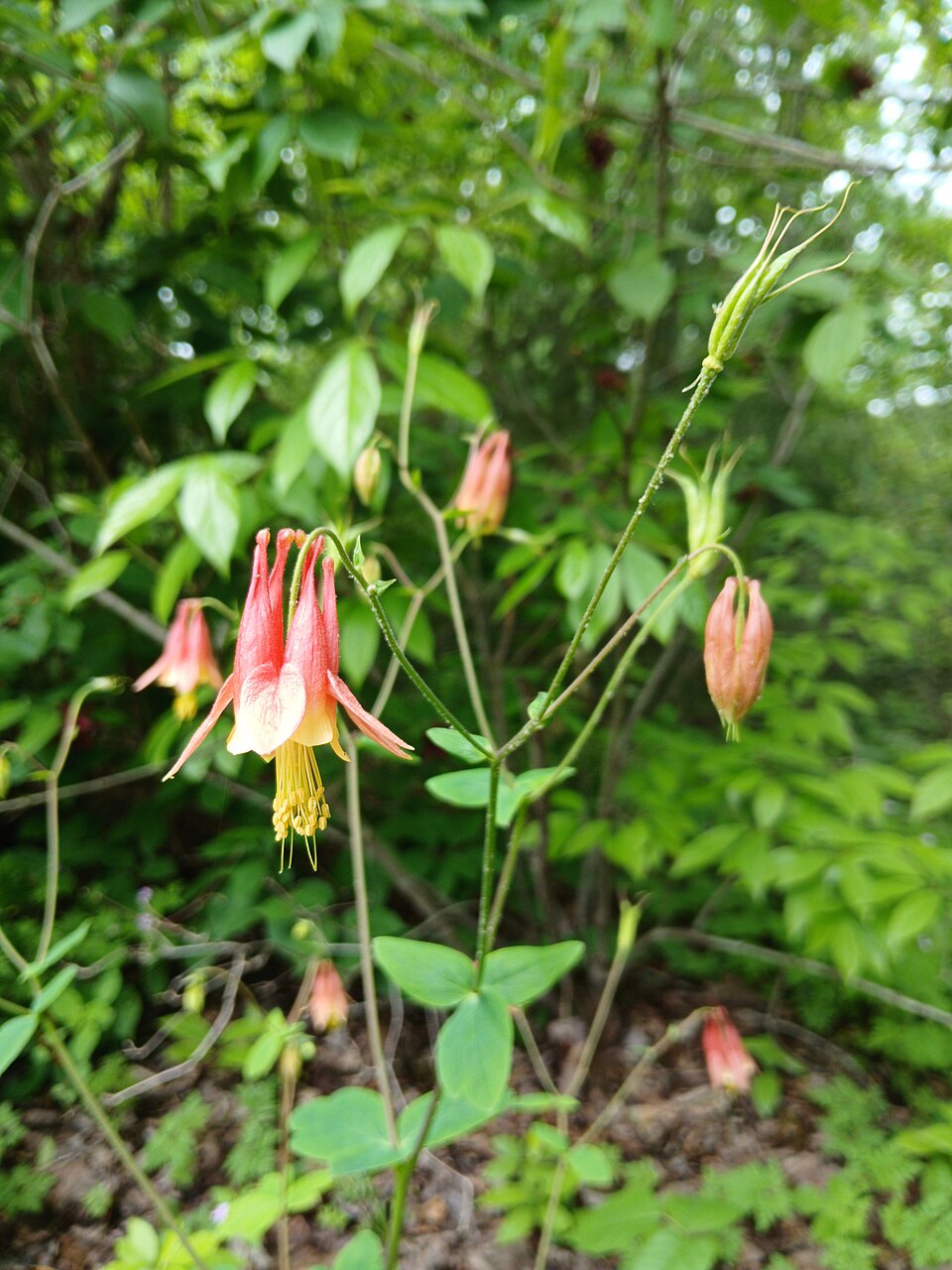
Wild columbine’s red and yellow hanging flowers.
Wild columbine’s red and yellow hanging flowers. Photo credit

Red-and-yellow columbine flowers bring color to a partly shaded corner early in the season. This is a small, short-lived perennial that can keep a place in the garden by scattering seed.

Sun

Partial shade; full sun with adequate moisture.

Soil & water

Organically rich moist, well-drained; occasionally dry.

Full-grown size

1-3 ft tall × 1-1.5 ft wide.

Through the year

Red-yellow early spring flowers; summer seed follicles.

Winter hardiness

USDA 3a-8b; may self-seed.

Plant references

Before you go to the nursery

Browse nurseries in Minneapolis to find places to contact. Ask about the exact plants and varieties on your list before making a trip.

Bring a photo of the planting spot and its measurements. Note when it gets direct sun, how quickly the soil drains after watering, and whether you can water through a dry spell. Ask about the full-grown size of the exact variety on the label.

We have not confirmed local nursery listings for these plants yet. Use the botanical names above when you ask; common names can refer to more than one plant.

Sources & photo credits

Our selections draw on regional gardening references and species profiles. These are species guides; named varieties can have different sizes and needs. Photographs show the species, not nursery stock.

Local growing advice

Asclepias incarnata plant profile · NC State Extension Plant Toolbox · checked 2026-09-05

Echinacea purpurea plant profile · NC State Extension Plant Toolbox · checked 2026-09-05

Native plants for Minnesota gardens · University of Minnesota Extension · checked 2026-09-05

Purple coneflower

Echinacea purpurea plant profile · checked 2026-09-05

Botanical identity: Echinacea purpurea

Wild bergamot

Monarda fistulosa plant profile · checked 2026-09-05

Botanical identity: Monarda fistulosa

Little bluestem

Schizachyrium scoparium plant profile · checked 2026-09-05

Botanical identity: Schizachyrium scoparium

Swamp milkweed

Asclepias incarnata plant profile · checked 2026-09-05

Botanical identity: Asclepias incarnata

Serviceberry

Amelanchier alnifolia plant profile · checked 2026-09-05

Botanical identity: Amelanchier alnifolia

Eastern columbine

Aquilegia canadensis plant profile · checked 2026-09-05

Botanical identity: Aquilegia canadensis

Winter hardiness and local weather

A USDA hardiness zone describes winter cold. It does not measure summer heat, drainage or water needs. Check your own ZIP and the label on the variety you buy.

City reference: ZIP 55454, zone 5a. A ZIP whose postal primary-city label matches this city, selected from the retained geography snapshot. It is a city reference, not your address; postal labels do not define municipal boundaries.

Median last spring frost: Apr 23; median first autumn frost: Oct 16. Station: LOWER ST ANTHONY FALLS, MN US (1.02 km from the reference ZIP). These are historical averages, not a forecast.

USDA hardiness maps · NOAA climate normals
Photography

.00 1682 Purpur-Sonnenhut (Echinacea purpurea).jpg by W. Bulach · CC BY-SA 4.0. Resized Commons thumbnail to max 960px width; no crop or color change.

2023-07-09 12 04 27 Bee Balm blooming along Lochatong Road in the Mountainview section of Ewing Township, Mercer County, New Jersey.jpg by Famartin · CC BY-SA 4.0. Wikimedia Commons thumbnail, resized from the source photograph. No additional crop or color changes.

01164 Butterflyweed & Little Bluestem (18318075302).jpg by rockerBOO · CC BY-SA 2.0. Resized Commons thumbnail to max 960px width; no crop or color change.

Asclepias incarnata flowers.jpg by ThatLexingtonKyGuy · CC BY-SA 4.0. Replaced unsuitable image; resized Commons thumbnail to max 960px width; no crop or color change.

Amelanchier alnifolia 2 RF.jpg by Robert Flogaus-Faust · CC BY 4.0. Wikimedia Commons thumbnail, resized from the source photograph. No additional crop or color changes.

Aquilegia canadensis, Fallingwater, 2025-05-29-2.jpg by Cbaile19 · CC0. Wikimedia Commons thumbnail, resized from the source photograph. No additional crop or color changes.