Skip to content
PlantNurseryHQ

All city plant guides

Chicago, IL · Plant guide

Plants for Chicago.

Chicago winters make plant placement and hardiness equally important. Redbud needs a sheltered site, little bluestem wants open sun, and Carolina silverbell prefers protection from harsh exposure. Butterfly weed and coneflower fill the brighter, better-drained parts of the bed.

Updated 2026-09-06 · Sources & photo credits

Match redbud sun to water

Give Eastern redbud dappled shade unless the soil can stay consistently moist in full sun.

Leave winter structure

Keep little bluestem seed heads through winter, then cut the grass back in late winter or early spring. Keep mulch away from the crown.

Eastern redbud

Cercis canadensis

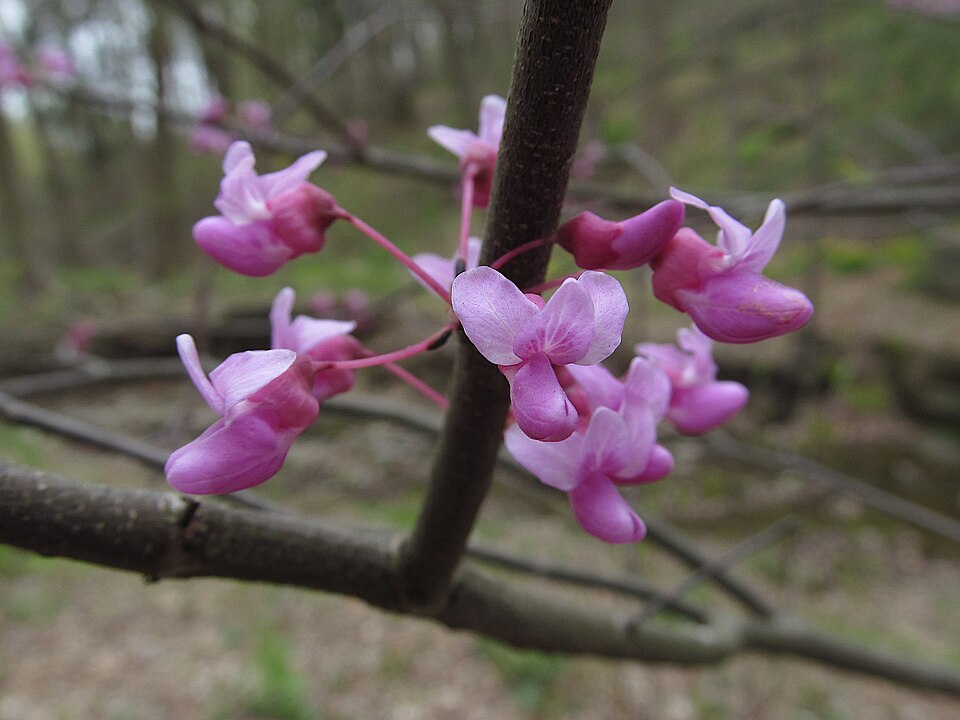
Eastern redbud flowers along bare branches in spring.
Eastern redbud flowers along bare branches in spring. Photo credit

Redbud earns its space with spring flowers before the leaves fill out. Measure for the mature crown, not the nursery pot, and choose a spot with good drainage and reliable water while the tree settles in.

Sun

Dappled shade; full sun with consistent moisture.

Soil & water

Consistent moisture; organically rich soil.

Full-grown size

15-25 ft tall.

Through the year

Purple-pink flowers Mar-Apr.

Winter hardiness

Chicago Zone 5 choice; moisture affects sun tolerance.

Plant references

Carolina silverbell

Halesia tetraptera

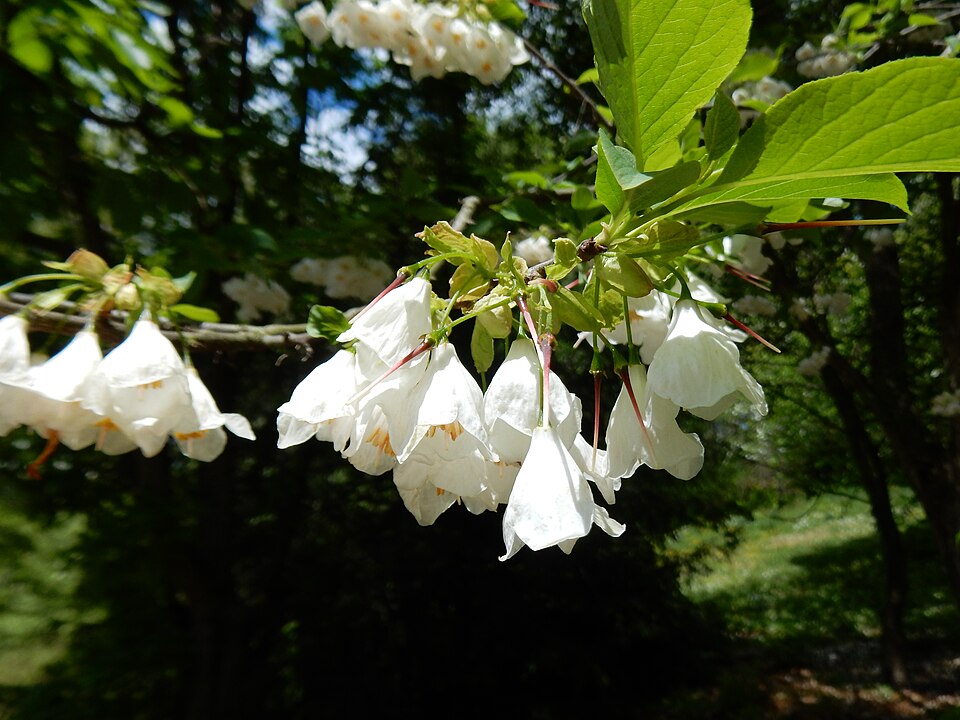
Carolina silverbell’s white, bell-shaped flowers.
Carolina silverbell’s white, bell-shaped flowers. Photo credit

Carolina silverbell hangs white spring flowers along its branches. It suits a larger, partly shaded garden with moist, acidic soil; check the eventual height before placing it beside the house.

Sun

Dappled shade.

Soil & water

Moist acidic soil.

Full-grown size

25-40 ft tall.

Through the year

White flowers Apr-May; winter-persistent fruit.

Winter hardiness

Illinois Best Plant; Chicago Zone 5 choice.

Plant references

Butterfly weed

Asclepias tuberosa

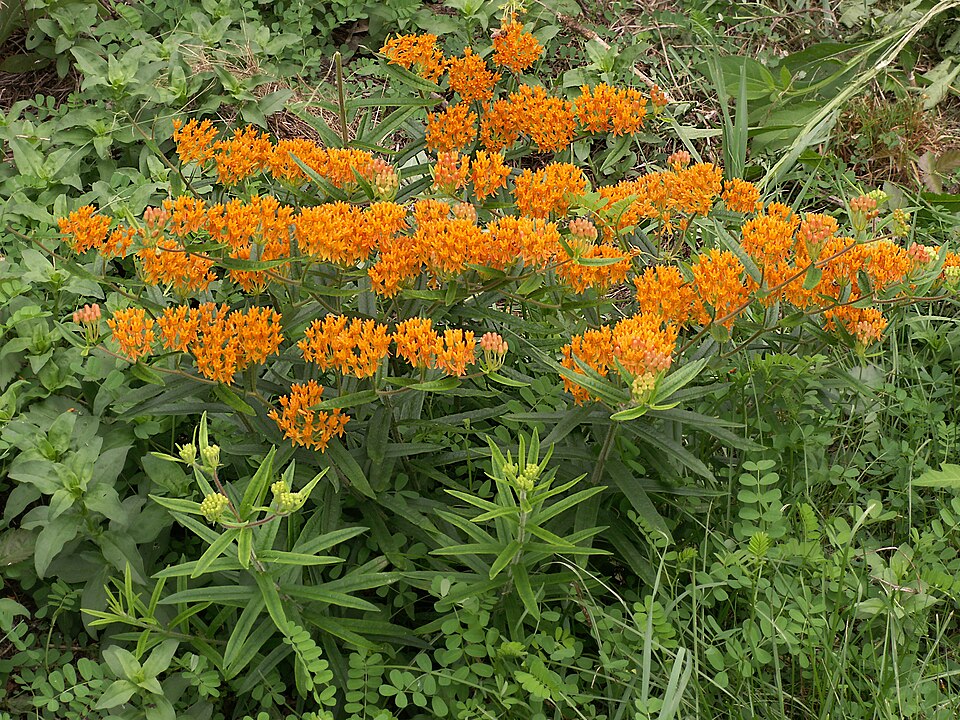
Butterfly weed with orange flowers and narrow green leaves.
Butterfly weed with orange flowers and narrow green leaves. Photo credit

Choose butterfly weed for orange summer flowers in a sunny, well-drained bed. Pick its permanent spot before planting: the deep taproot makes moving an established plant difficult.

Sun

Full sun to partial shade.

Soil & water

Dry-medium well-drained; drought tolerant after establishment.

Full-grown size

1-2 ft × 1-1.5 ft.

Through the year

Orange late spring-summer; pods Aug-Sep.

Winter hardiness

USDA 3a-9b; deep taproot; sap may irritate skin.

Plant references

Purple coneflower

Echinacea purpurea

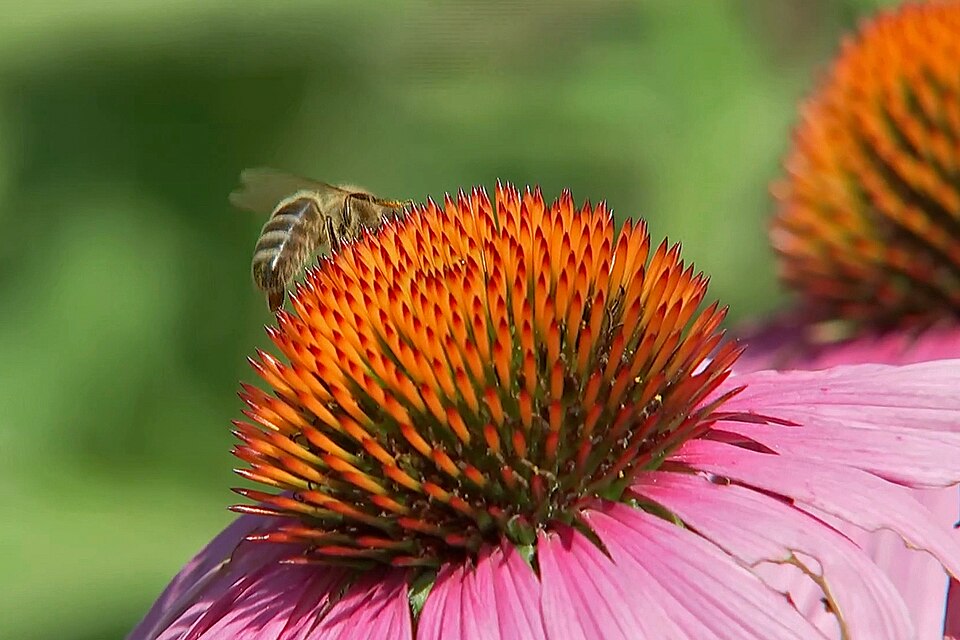
A purple coneflower’s raised center and pink petals.
A purple coneflower’s raised center and pink petals. Photo credit

Purple coneflower gives a sunny border summer flowers and seed heads that can stay through winter. Check the variety on the label: flower form and mature dimensions vary.

Sun

Full sun to partial shade.

Soil & water

Moist well-drained; drought tolerant established.

Full-grown size

3-4 ft × 1-2 ft.

Through the year

Flowers June-August into fall; seed heads.

Winter hardiness

USDA 3a-8b; cultivar traits vary.

Plant references

Little bluestem

Schizachyrium scoparium

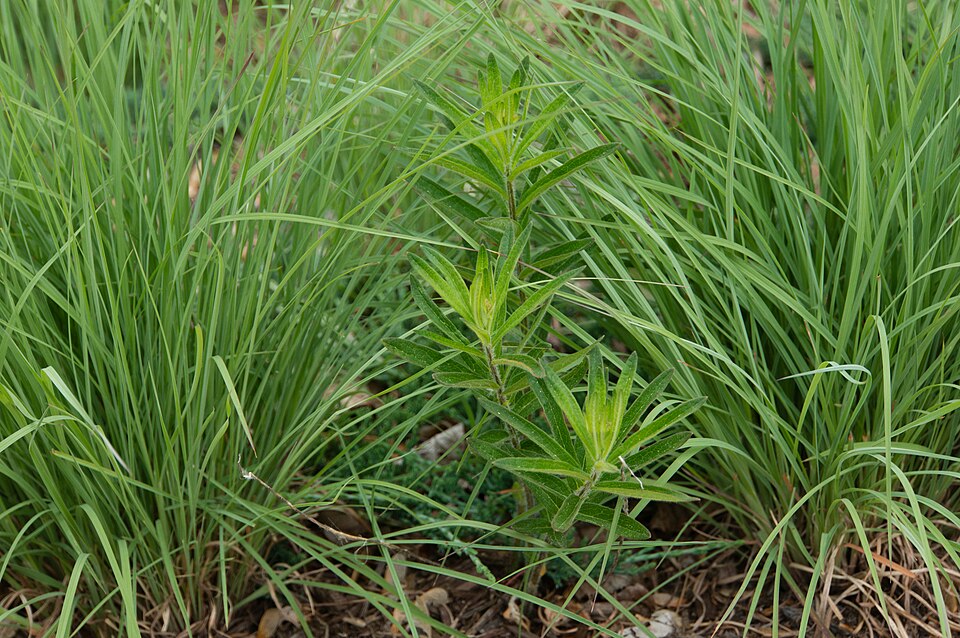
Little bluestem growing in upright clumps.
Little bluestem growing in upright clumps. Photo credit

Little bluestem changes from blue-green summer grass to copper tones in fall and winter. Use it in a sunny, well-drained spot, and leave the stems standing until late winter or early spring.

Sun

Full sun.

Soil & water

Dry-medium moist, well-drained; drought tolerant established.

Full-grown size

2-4 ft × 1.5-3 ft.

Through the year

Blue summer, copper fall-winter; seed heads.

Winter hardiness

USDA 3a-9b; cut back late winter; keep mulch off crown.

Plant references

Blue false indigo

Baptisia australis

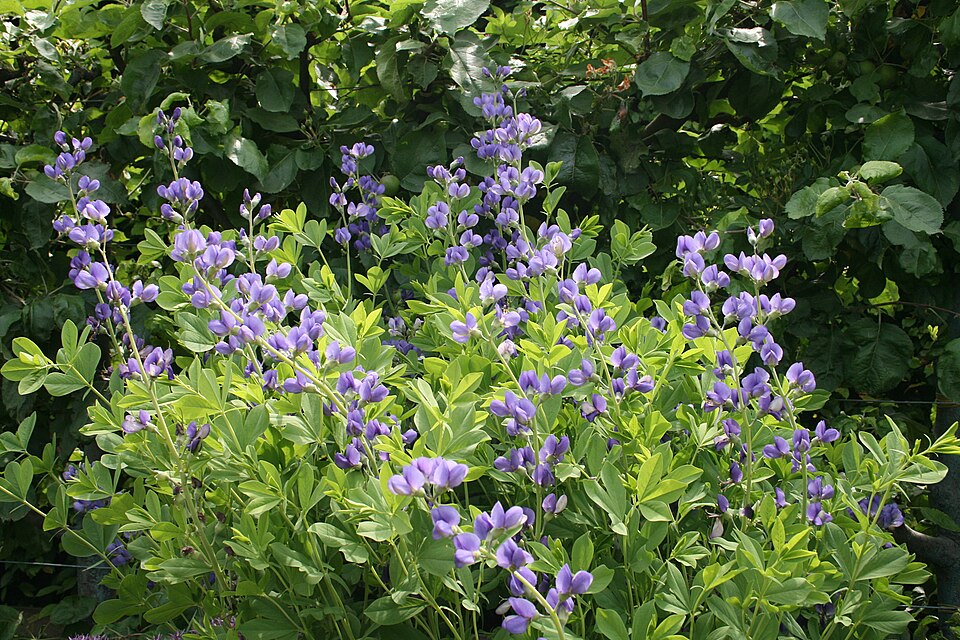
False blue indigo with blue-purple flowers above its leaves.
False blue indigo with blue-purple flowers above its leaves. Photo credit

Blue flower spikes are followed by dark seed pods that remain interesting after bloom. False blue indigo takes up more room than a small nursery plant suggests, and its deep roots make it hard to move.

Sun

Full sun to partial shade.

Soil & water

Well-drained; drought tolerant after deep-root establishment.

Full-grown size

3-4 ft tall and wide.

Through the year

Blue-purple late-spring/early-summer; black pods winter.

Winter hardiness

USDA 3a-9b; leggy in shade; difficult transplant.

Plant references

Before you go to the nursery

Browse nurseries in Chicago to find places to contact. Ask about the exact plants and varieties on your list before making a trip.

Bring a photo of the planting spot and its measurements. Note when it gets direct sun, how quickly the soil drains after watering, and whether you can water through a dry spell. Ask about the full-grown size of the exact variety on the label.

We have not confirmed local nursery listings for these plants yet. Use the botanical names above when you ask; common names can refer to more than one plant.

Sources & photo credits

Our selections draw on regional gardening references and species profiles. These are species guides; named varieties can have different sizes and needs. Photographs show the species, not nursery stock.

Local growing advice

Trees and shrubs for spring color · Chicago Botanic Garden · checked 2026-09-05

Schizachyrium scoparium plant profile · NC State Extension Plant Toolbox · checked 2026-09-05

Native Plants for Use in Your Home Garden · University of Illinois Extension · checked 2026-09-05

Native Plants for Home Gardens · Chicago Botanic Garden · checked 2026-09-05

Build drought-tolerant gardens this fall · University of Illinois Extension · checked 2026-09-05

Eastern redbud

Trees and shrubs for spring color · checked 2026-09-05

Botanical identity: Cercis canadensis

Carolina silverbell

Trees and shrubs for spring color · checked 2026-09-05

Botanical identity: Halesia tetraptera

Butterfly weed

Asclepias tuberosa plant profile · checked 2026-09-05

Botanical identity: Asclepias tuberosa

Purple coneflower

Echinacea purpurea plant profile · checked 2026-09-05

Botanical identity: Echinacea purpurea

Little bluestem

Schizachyrium scoparium plant profile · checked 2026-09-05

Botanical identity: Schizachyrium scoparium

Blue false indigo

Baptisia australis plant profile · checked 2026-09-05

Botanical identity: Baptisia australis

Winter hardiness and local weather

A USDA hardiness zone describes winter cold. It does not measure summer heat, drainage or water needs. Check your own ZIP and the label on the variety you buy.

City reference: ZIP 60605, zone 6b. A ZIP whose postal primary-city label matches this city, selected from the retained geography snapshot. It is a city reference, not your address; postal labels do not define municipal boundaries.

Median last spring frost: Apr 10; median first autumn frost: Nov 5. Station: CHICAGO NORTHERLY IS, IL US (0.90 km from the reference ZIP). These are historical averages, not a forecast.

USDA hardiness maps · NOAA climate normals
Photography

Cercis canadensis, 2021-04-24, Fox Chapel, 01.jpg by Cbaile19 · CC0. Wikimedia Commons thumbnail, resized from the source photograph. No additional crop or color changes.

Halesia tetraptera, Morris Arboretum 02.jpg by Shuvaev · CC BY 4.0. Resized Commons thumbnail to max 960px width; no crop or color change.

Asclepias tuberosa, Montour Trail, 2024-08-20.jpg by Cbaile19 · CC0. Wikimedia Commons thumbnail, resized from the source photograph. No additional crop or color changes.

.00 1682 Purpur-Sonnenhut (Echinacea purpurea).jpg by W. Bulach · CC BY-SA 4.0. Resized Commons thumbnail to max 960px width; no crop or color change.

01164 Butterflyweed & Little Bluestem (18318075302).jpg by rockerBOO · CC BY-SA 2.0. Resized Commons thumbnail to max 960px width; no crop or color change.

0 Baptisia australis (Y).JPG by Jean-Pol GRANDMONT · CC BY-SA 3.0. Wikimedia Commons thumbnail, resized from the source photograph. No additional crop or color changes.