Skip to content
PlantNurseryHQ

All city plant guides

Colorado Springs, CO · Plant guide

Plants for Colorado Springs.

Colorado Springs buyers should compare each plant’s elevation range with the actual site. Serviceberry and golden currant add fruit and fall color, Apache plume and mountain mahogany handle drier structure, and blue grama should remain an ornamental bunchgrass rather than a lawn.

Updated 2026-09-06 · Sources & photo credits

Match elevation and exposure

Compare each plant’s documented elevation range with the planting site, then account for winter wind, reflected heat and local drainage before choosing its position.

Separate ornamental grass from turf

Blue grama works as a low bunchgrass here, but turf guidance has a lower elevation ceiling and the plant tolerates little traffic.

Serviceberry

Amelanchier alnifolia
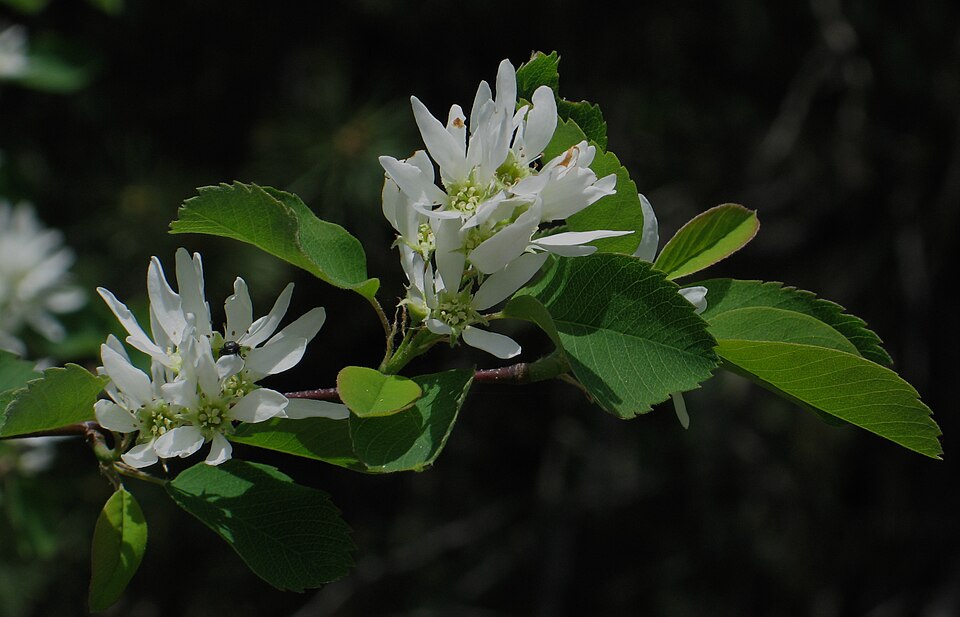
Serviceberry’s white spring flowers and green leaves.
Serviceberry’s white spring flowers and green leaves. Photo credit

Serviceberry offers white spring flowers, dark fruit and fall color. It can send up new shoots around the main plant; leave room for a thicket or plan to remove those shoots.

Sun

Full sun to part shade.

Soil & water

Ordinary garden soil; also suits moisture-retentive sites.

Full-grown size

10-30 ft tall.

Through the year

Deciduous; fragrant white flowers, purple-black edible fruit, and yellow-orange fall color.

Winter hardiness

Hardy to USDA zone 2.
Plant references

Apache plume

Fallugia paradoxa

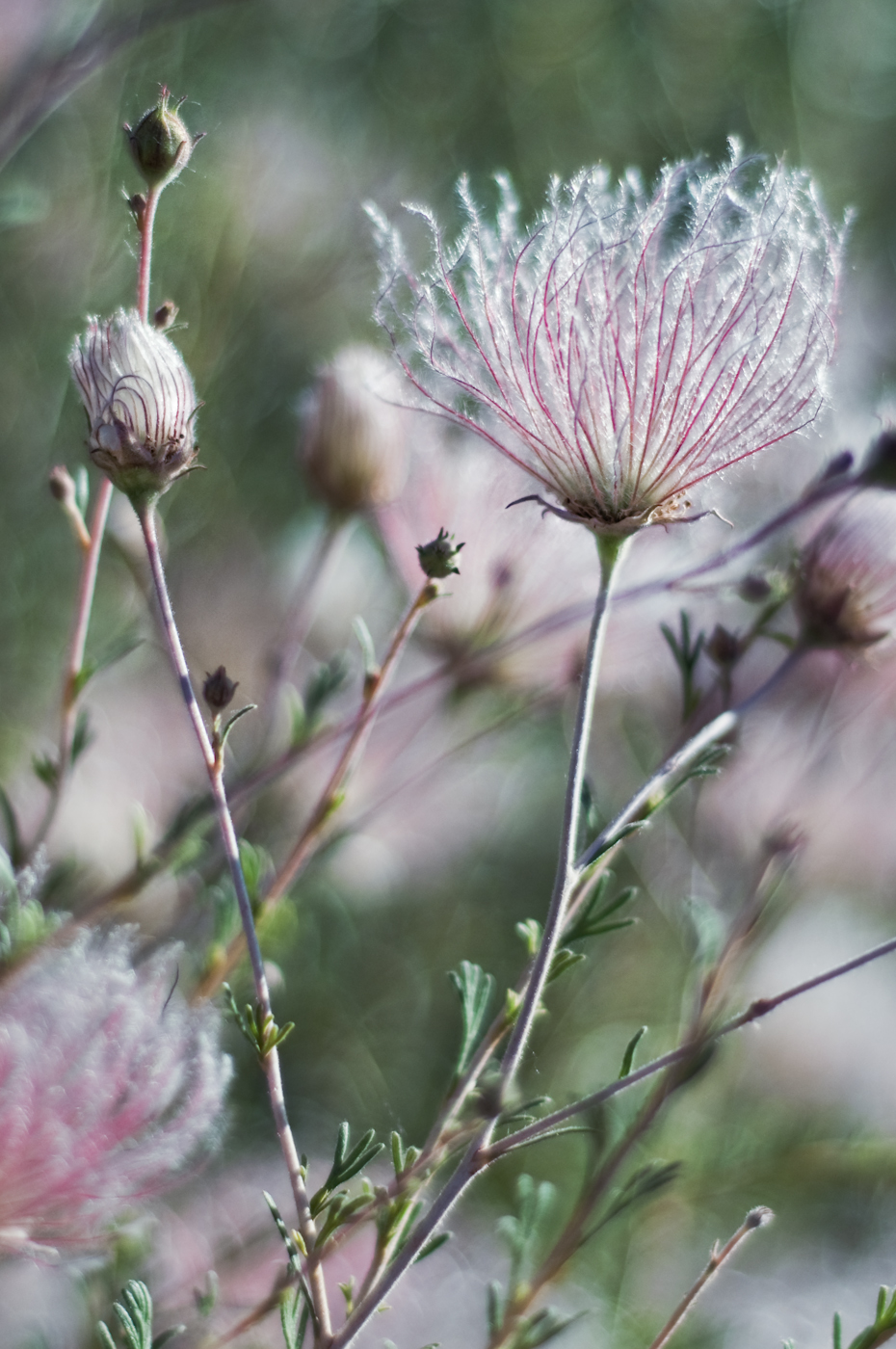
Apache plume’s feathery pink seed heads.
Apache plume’s feathery pink seed heads. Photo credit

Apache plume is worth planting for what comes after the white flowers: soft pink seed heads. Allow about five feet of space, and expect it to keep or lose its leaves depending on your site.

Sun

Full sun to part shade.

Soil & water

Low water.

Full-grown size

About 5 ft tall × 5 ft wide.

Through the year

White summer flowers followed by pinkish, feathery seedheads; foliage may be deciduous or evergreen depending on site.

Winter hardiness

Suited to Front Range planting elevations of 3,500-8,000 ft; USDA zone not stated.

Plant references

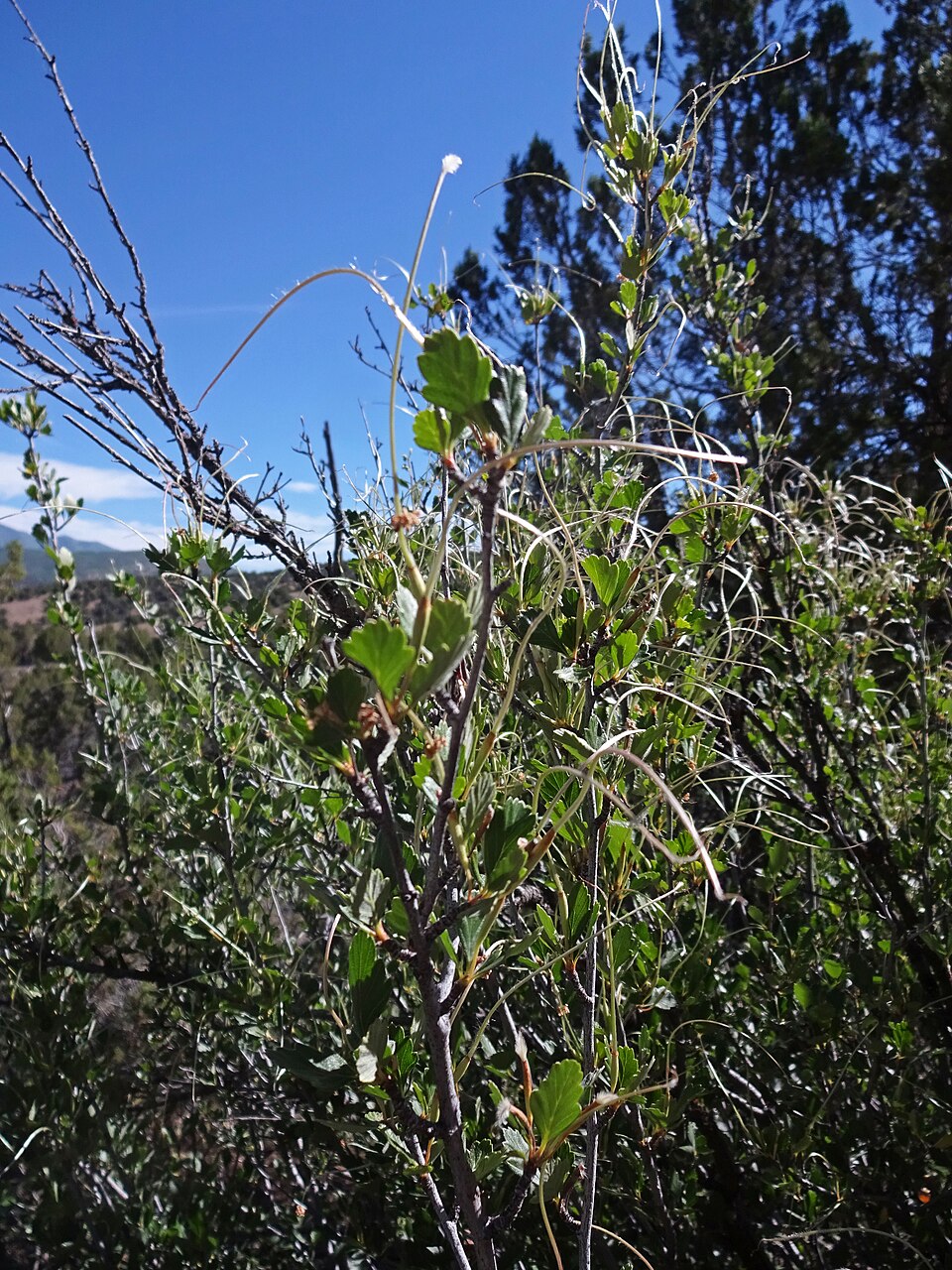
Mountain mahogany

Cercocarpus montanus

Mountain mahogany’s upright branches and small leaves.
Mountain mahogany’s upright branches and small leaves. Photo credit

Mountain mahogany has an open shape, small spring flowers and feathery seed heads. It suits a dry bed with room for its branches; check your elevation against the guidance below.

Sun

Full sun to part shade.

Soil & water

Low water.

Full-grown size

About 5 ft tall × 4 ft wide.

Through the year

Cream spring flowers followed by feathery seedheads.

Winter hardiness

Suited to Front Range planting elevations of 4,000-8,500 ft; USDA zone not stated.

Plant references

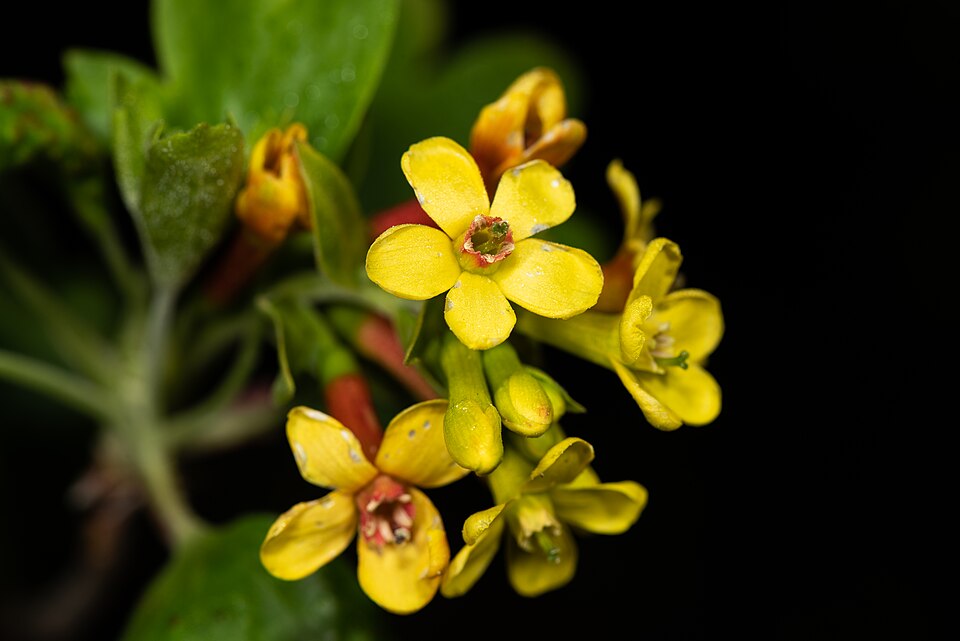
Golden currant

Ribes aureum

Golden currant’s yellow spring flowers.
Golden currant’s yellow spring flowers. Photo credit

Golden currant brings yellow spring flowers and orange-red fall leaves. Leave room for a five- to six-foot shrub, and choose soil that drains well.

Sun

Full sun to part shade.

Soil & water

Low to medium water in a well-drained site.

Full-grown size

About 5-6 ft tall × 4-5 ft wide.

Through the year

Yellow late-spring flowers, yellow-to-black fruit, and orange-red fall foliage.

Winter hardiness

Suited to Front Range planting elevations of 4,000-10,000 ft; USDA zone not stated.

Plant references

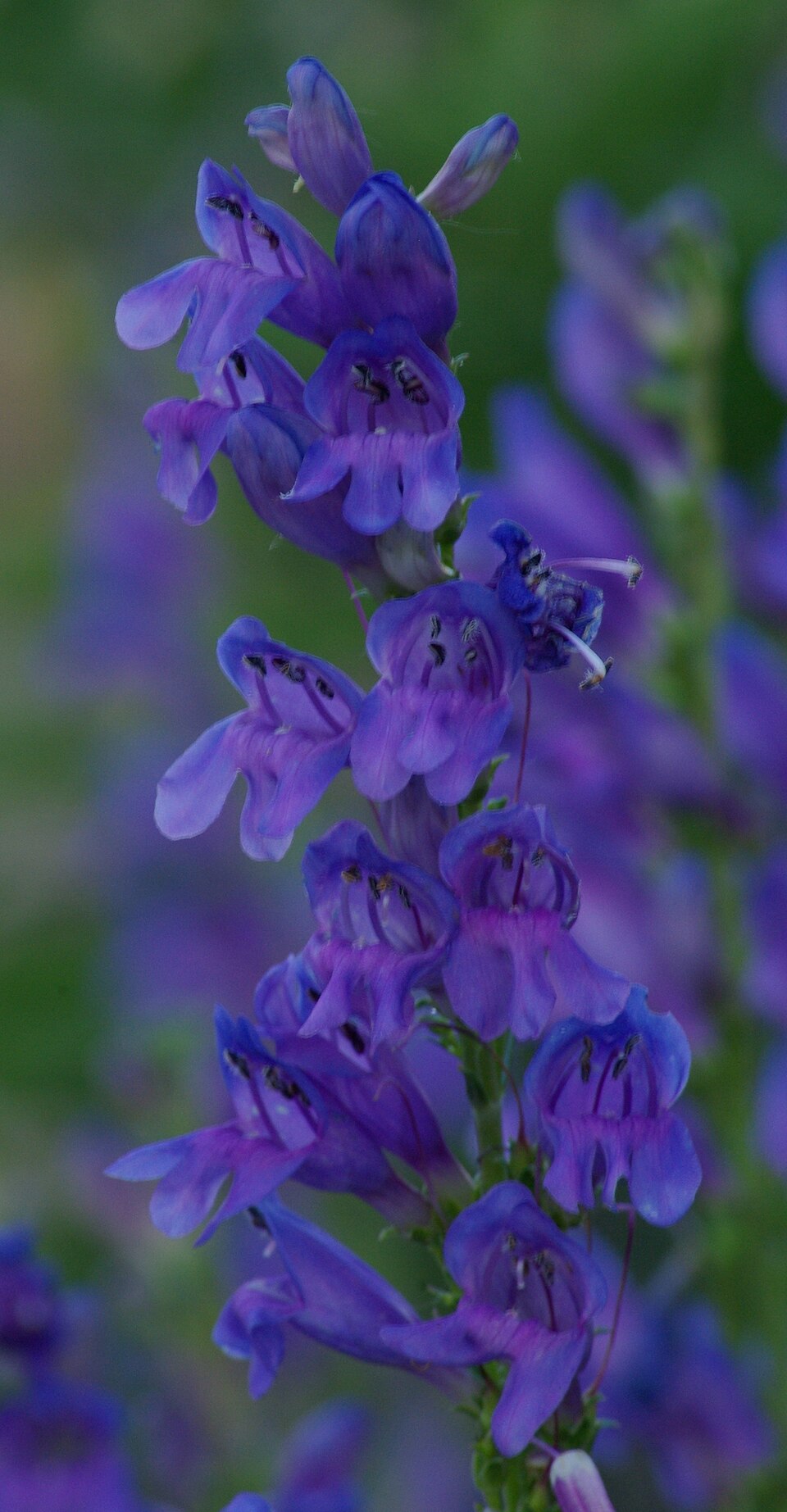
Rocky Mountain penstemon

Penstemon strictus

Rocky Mountain penstemon’s blue-purple flowers on an upright stalk.
Rocky Mountain penstemon’s blue-purple flowers on an upright stalk. Photo credit

Rocky Mountain penstemon sends up blue-purple flowers in spring and early summer. Give it spring moisture, good drainage and space between plants for air to move.

Sun

Full sun to part shade.

Soil & water

Low to medium water; provide good spring moisture even though established plants tolerate drought.

Full-grown size

12-30 in tall and up to about 24 in wide.

Through the year

Blue to blue-purple tubular flowers in spring to early summer.

Winter hardiness

Suited to planting elevations up to 10,000 ft; USDA zone not stated.

Plant references

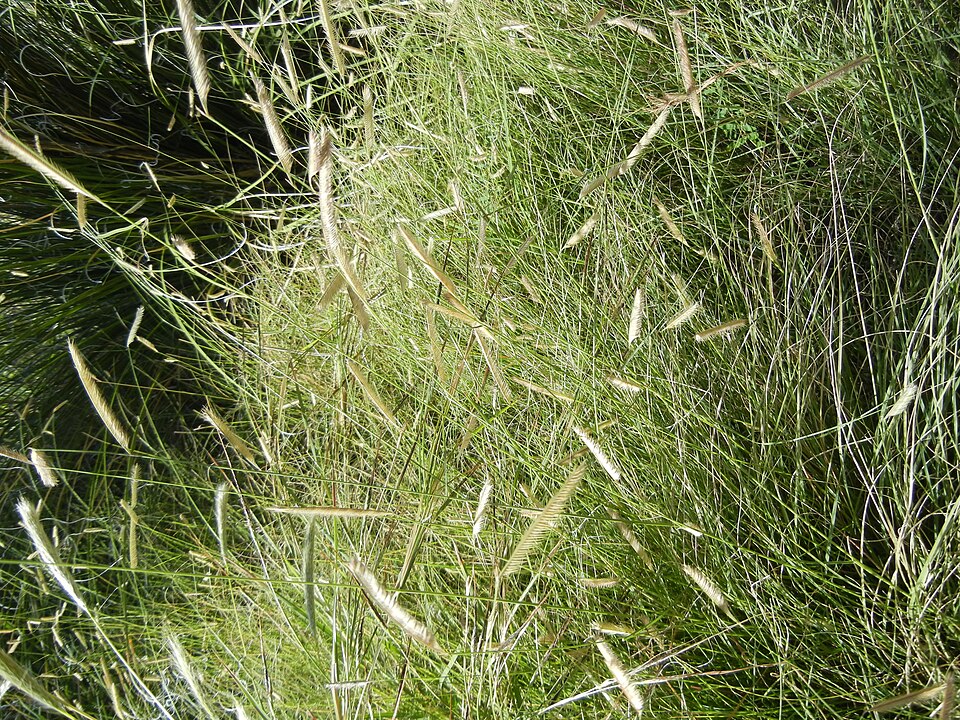
Blue grama

Bouteloua gracilis

Blue grama’s fine leaves and slender flower stems.
Blue grama’s fine leaves and slender flower stems. Photo credit

Blue grama is a short grass with seed heads shaped like eyelashes. It turns straw-colored after frost and takes little foot traffic; growing it as a lawn calls for different care than growing a few clumps.

Sun

Full sun is best for turf; ornamental plants can accept light shade.

Soil & water

Very low to low water; can remain unirrigated after establishment.

Full-grown size

6-20 in tall.

Through the year

Warm-season grass with eyelash-shaped seedheads; turns straw-colored after frost and greens around May.

Winter hardiness

Excellent cold tolerance; ornamental planting elevation to 9,500 ft, while turf use is limited to about 6,500 ft.

Plant references

Before you go to the nursery

Browse nurseries in Colorado Springs to find places to contact. Ask about the exact plants and varieties on your list before making a trip.

Bring a photo of the planting spot and its measurements. Note when it gets direct sun, how quickly the soil drains after watering, and whether you can water through a dry spell. Ask about the full-grown size of the exact variety on the label.

We have not confirmed local nursery listings for these plants yet. Use the botanical names above when you ask; common names can refer to more than one plant.

Sources & photo credits

Our selections draw on regional gardening references and species profiles. These are species guides; named varieties can have different sizes and needs. Photographs show the species, not nursery stock.

Local growing advice

Native perennials for Colorado landscapes · Colorado State University Extension · checked 2026-09-05

Turfgrass selection for Colorado · Colorado State University Extension · checked 2026-09-05

Native grasses for Colorado landscapes · Colorado State University Extension · checked 2026-09-05

Low-Water Native Plants for Colorado Gardens: Front Range & Foothills · Colorado Native Plant Society and CSU Extension · checked 2026-09-06

Native shrubs for Colorado landscapes · Colorado State University Extension · checked 2026-09-05

Denver native plants demonstration garden · Colorado State University Extension · checked 2026-09-05

Native trees and shrubs for Colorado’s Front Range · Colorado State University Extension · checked 2026-09-05

Serviceberry

Native shrubs for Colorado landscapes · checked 2026-09-05

Denver native plants demonstration garden · checked 2026-09-05

Native trees and shrubs for Colorado’s Front Range · checked 2026-09-05

Botanical identity: Amelanchier alnifolia

Apache plume

Native shrubs for Colorado landscapes · checked 2026-09-05

Botanical identity: Fallugia paradoxa

Mountain mahogany

Native shrubs for Colorado landscapes · checked 2026-09-05

Native trees and shrubs for Colorado’s Front Range · checked 2026-09-05

Botanical identity: Cercocarpus montanus

Golden currant

Native shrubs for Colorado landscapes · checked 2026-09-05

Denver native plants demonstration garden · checked 2026-09-05

Native trees and shrubs for Colorado’s Front Range · checked 2026-09-05

Botanical identity: Ribes aureum

Rocky Mountain penstemon

Native perennials for Colorado landscapes · checked 2026-09-05

Denver native plants demonstration garden · checked 2026-09-05

Native trees and shrubs for Colorado’s Front Range · checked 2026-09-05

Botanical identity: Penstemon strictus

Blue grama

Native grasses for Colorado landscapes · checked 2026-09-05

Turfgrass selection for Colorado · checked 2026-09-05

Botanical identity: Bouteloua gracilis

Winter hardiness and local weather

A USDA hardiness zone describes winter cold. It does not measure summer heat, drainage or water needs. Check your own ZIP and the label on the variety you buy.

City reference: ZIP 80914, zone 6a. A ZIP whose postal primary-city label matches this city, selected from the retained geography snapshot. It is a city reference, not your address; postal labels do not define municipal boundaries.

Median last spring frost: May 3; median first autumn frost: Oct 8. Station: COLORADO SPRINGS MUNI AP, CO US (1.51 km from the reference ZIP). These are historical averages, not a forecast.

USDA hardiness maps · NOAA climate normals

Photography

Amelanchier alnifolia 2 RF.jpg by Robert Flogaus-Faust · CC BY 4.0. Wikimedia Commons thumbnail, resized from the source photograph. No additional crop or color changes.

Apache Plume, Fallugia Paradoxa (4675825097).jpg by Mike Tungate from Albuquerque, United States · CC BY 2.0. Wikimedia Commons thumbnail, resized from the source photograph. No additional crop or color changes.

2016.06.18 09.48.54 DSC04943 - Flickr - andrey zharkikh.jpg by Andrey Zharkikh from Salt Lake City, USA · CC BY 2.0. Wikimedia Commons thumbnail, resized from the source photograph. No additional crop or color changes.

Golden currant flowers.jpg by Горбунова М.С. · CC BY-SA 4.0. Wikimedia Commons thumbnail, resized from the source photograph. No additional crop or color changes.

Penstemon strictus flowers1.JPG by JerryFriedman · CC BY-SA 3.0. Replaced post-bloom image; resized Commons thumbnail to max 960px width; no crop or color change.

BlueGrama (6541143983).jpg by SonoranDesertNPS from Tucson, Arizona · CC BY 2.0. Wikimedia Commons thumbnail, resized from the source photograph. No additional crop or color changes.